


Why Indigenous Plants Are a Smart and Beautiful Choice for South African Gardens

Why Indigenous Plants Are a Smart and Beautiful Choice for South African Gardens
Thursday, 22 January 2026 - 0 Comments
Posted by Haakdoorn Nursery
South Africa is one of the most botanically rich countries on Earth. From the Cape Floristic Region to the grasslands, forests, and savannas, our landscapes are shaped by plants that have evolved here over millions of years. Choosing indigenous plants for your garden isn’t just a trend, it’s a practical, sustainable, and deeply rewarding way to garden.
Whether you’re planting a new garden, refreshing an old one, or simply adding a few feature plants, indigenous species offer beauty, resilience, and a strong connection to place.
1. Indigenous Plants Are Made for Our Climate
South African indigenous plants are naturally adapted to local conditions and our rainfall patterns, temperatures, soils, and even periods of drought. This means they:
-
Need far less water once established
-
Cope better with heat, frost, wind, and poor soils
-
Require less fertiliser and fewer chemical inputs
In a country where water-wise gardening is essential, indigenous plants are an obvious win. A garden that works with nature rather than against it is easier to maintain and far more resilient.
2. Lower Maintenance, Better Performance
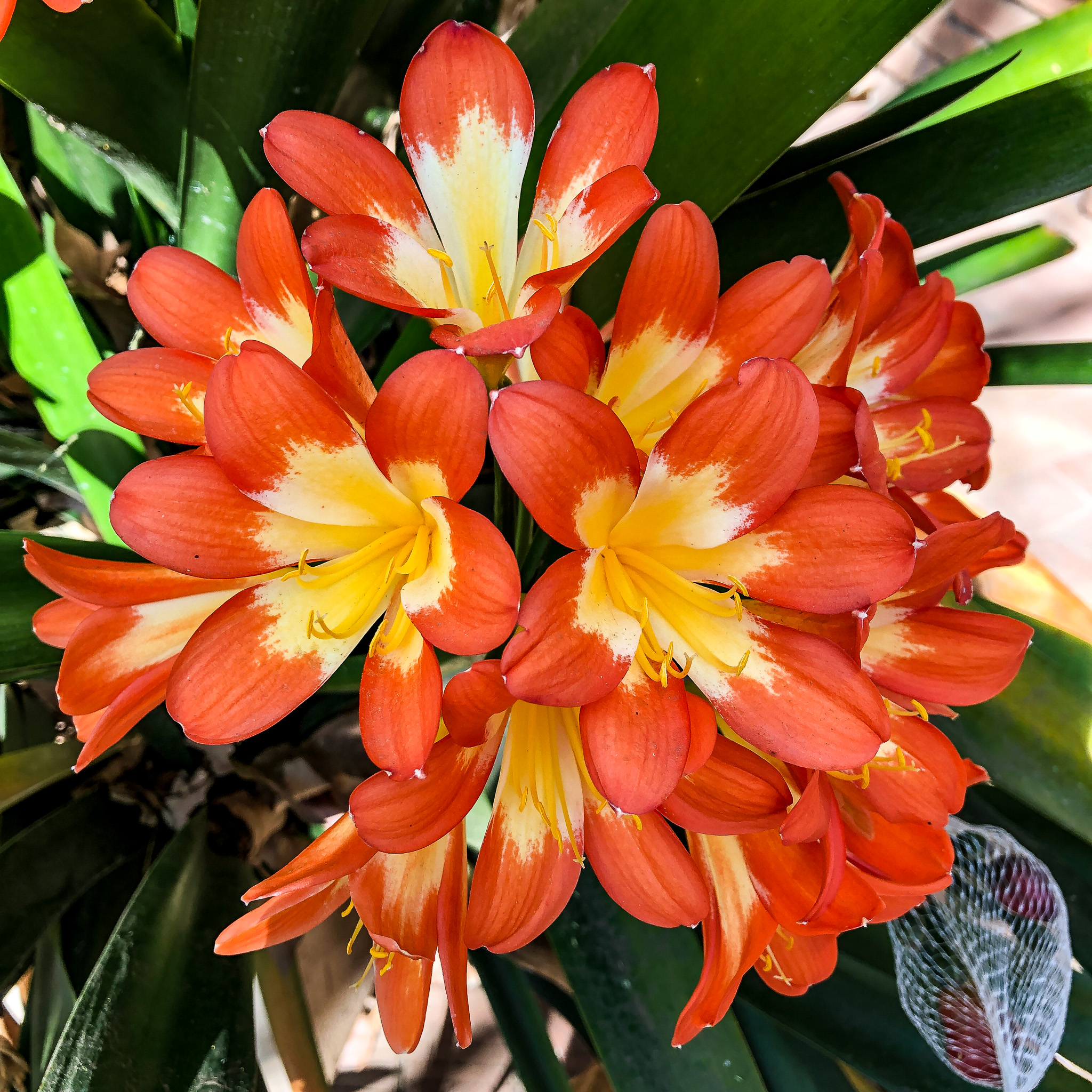
Because indigenous plants evolved in our environment, they generally have fewer pest and disease problems. You’ll spend less time spraying, feeding, and replacing plants, and more time enjoying your garden.
Many popular indigenous choices, such as Dietes, Tulbaghia, Agapanthus, and Aristea, are tough, reliable performers that look good year after year with minimal effort.
3. Supporting Birds, Bees, and Butterflies
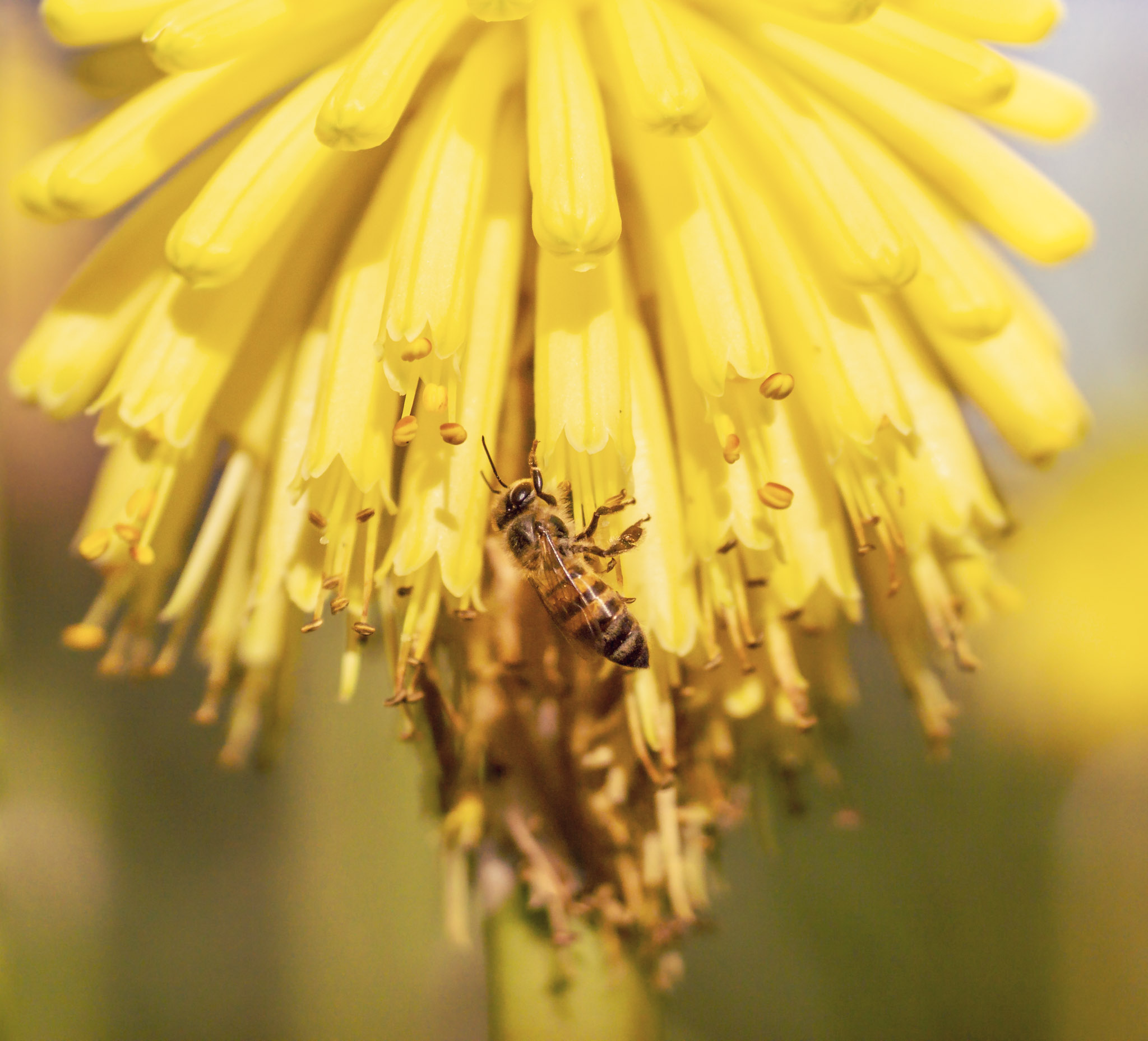
One of the most exciting benefits of indigenous gardening is the life it brings into your space. Local birds, insects, and pollinators rely on indigenous plants for food and shelter.
By planting indigenous species, you help to:
-
Attract birds like sunbirds, weavers, and bulbuls
-
Support bees, butterflies, and beneficial insects
-
Restore small but vital ecosystems, even in urban gardens
A garden filled with movement, sound, and natural interaction is far more alive than a silent, sterile landscape.
4. A Natural Sense of Place
Indigenous plants simply belong here. Their forms, textures, and colours echo the surrounding landscape and create a garden that feels grounded and authentic.
From bold foliage and sculptural forms to delicate flowers and seasonal displays, indigenous plants can be just as striking as exotic species, often more so. They work beautifully in modern, informal, wild, or low-maintenance garden designs.
5. Conservation Starts at Home
Habitat loss is one of the biggest threats to South Africa’s plant diversity. While large conservation areas are vital, home gardens play an increasingly important role.
Planting indigenous species helps to:
-
Reduce pressure on wild populations
-
Preserve genetic diversity
-
Create corridors of habitat for wildlife through towns and cities
Even a small indigenous garden contributes to a much bigger conservation story.
6. Indigenous Does Not Mean Boring
There’s a common misconception that indigenous gardens are dull or limited. In reality, South Africa offers an extraordinary range of plants:
-
Evergreen and deciduous
-
Flowering, fragrant, and foliage-focused
-
Shade-loving and sun-hardy
-
Groundcovers, shrubs, trees, and dramatic feature plants
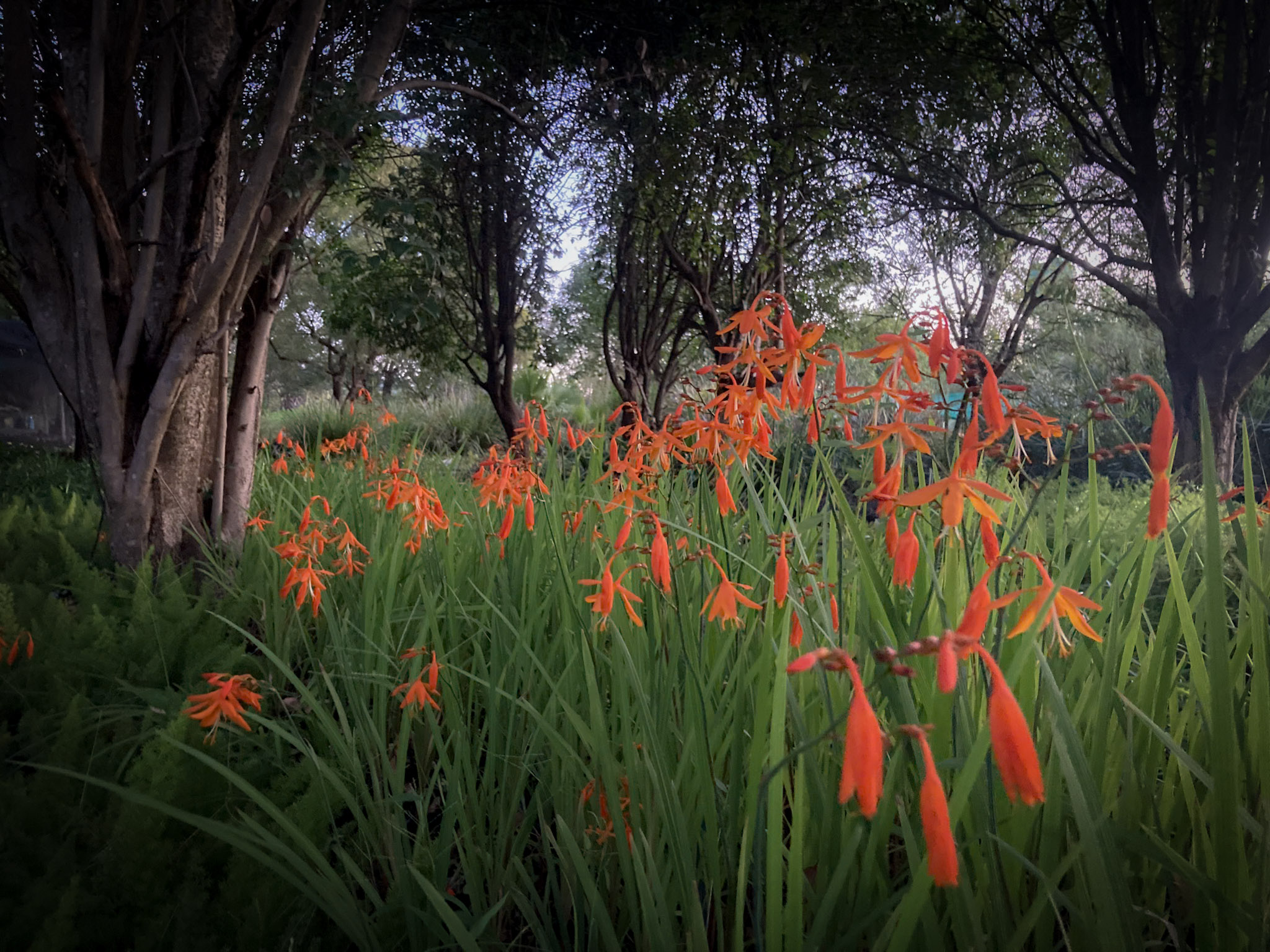
With thoughtful plant selection, indigenous gardens can be lush, colourful, and dynamic throughout the year.
7. A Smarter Garden for the Future
As climate conditions become more unpredictable, resilient planting is no longer optional. Indigenous plants give gardeners a future-proof foundation; gardens that cope better with drought, heatwaves, and changing seasons.
Choosing indigenous plants is not about sacrifice. It’s about smarter gardening, stronger landscapes, and reconnecting with the natural heritage of South Africa.
Final Thoughts
Planting indigenous plants is one of the simplest and most impactful choices you can make in your garden. They save water, reduce maintenance, support wildlife, and celebrate the incredible biodiversity that makes South Africa unique.
By choosing indigenous, you’re not just planting a garden, you’re planting a piece of home.
Firm Favorite Indigenous Choices For The Garden
Click here to view a few of our favourite indigenous choices
Optional, for replies
No comments posted yet, check back soon.


