


How to Get Rid of Aphids on Roses (Safely and Effectively)

How to Get Rid of Aphids on Roses (Safely and Effectively)
Thursday, 22 January 2026 - 0 Comments
Posted by Haakdoorn Nursery
There’s nothing more frustrating than seeing your roses putting out fresh, healthy growth, only to find it covered in tiny green (or black) aphids. Aphids are one of the most common rose pests in South African gardens, but the good news is they’re easy to control if you act early and consistently.
Here’s how to get rid of aphids on roses, without harming your plants, beneficial insects, or the environment.
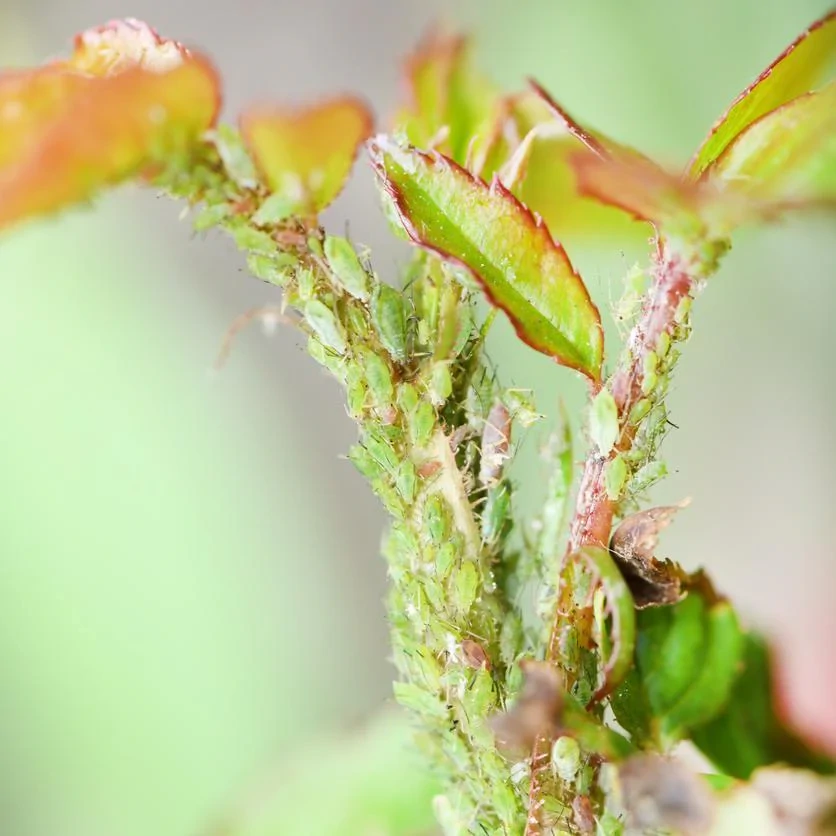
What Are Aphids and Why Do They Love Roses?
Aphids are small, soft-bodied insects that feed by sucking sap from tender new growth, buds, and stems. Roses are especially attractive to them because aphids love soft, nutrient-rich growth.
Signs of aphids include:
-
Clusters of small green, black, brown, or pink insects on new shoots
-
Curled or distorted leaves and buds
-
Sticky residue (called honeydew) on leaves or nearby surfaces
-
Increased ant activity around the plant
Left untreated, aphids weaken roses, reduce flowering, and can spread plant diseases.
1. Start With a Strong Water Spray
For light infestations, the simplest solution is often the best.
Use a hose with moderate pressure and spray aphids off the affected stems and leaves, focusing on new growth and buds. Do this early in the morning so plants can dry during the day.
Repeat every few days. Aphids are soft-bodied and don’t easily return once knocked off.
2. Encourage Natural Predators
Nature has its own aphid control system. Beneficial insects love feeding on aphids, especially:
-
Ladybirds (ladybugs)
-
Lacewings
-
Hoverfly larvae
- Spiders
Avoid broad-spectrum chemical insecticides, as these kill beneficial insects along with pests. A garden with a healthy balance of insects will usually keep aphids under control naturally.
3. Use a Mild Soap Spray
A homemade or commercial insecticidal soap is very effective against aphids.
Simple soap spray recipe:
-
1 teaspoon liquid dish soap light Sunlight (no added degreasers or perfumes)
-
1 litre of water
Spray directly onto aphids, covering both sides of leaves and stems. Soap breaks down their outer coating, causing them to dehydrate.
Apply in the early morning or late afternoon, and repeat every 5–7 days if needed.
4. Neem Oil for Persistent Problems
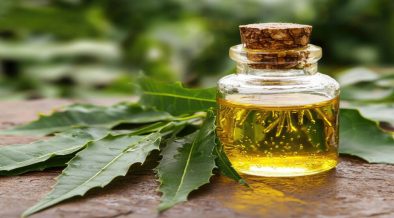
Neem oil is a natural, plant-based solution that disrupts aphid feeding and reproduction.
Mix and apply according to the product instructions, ensuring good coverage. Neem oil also helps deter other pests and has minimal impact on beneficial insects when used correctly.
Do not spray in the heat of the day, as this may damage leaves.
5. Control Ants Around Roses
Ants and aphids have a mutual relationship: ants protect aphids in exchange for the sugary honeydew they produce.
If ants are present:
-
Apply sticky barriers around rose stems
-
Use ant bait stations away from the plant
-
Reduce access points from walls or paving
Once ants are controlled, aphid populations often collapse on their own.
6. Prune Heavily Infested Growth
If certain shoots or buds are heavily covered, prune them off and dispose of them in the bin (not the compost heap). This immediately reduces aphid numbers and encourages fresh, healthy growth.
7. Feed Roses Correctly
Overfeeding roses with high-nitrogen fertilisers causes soft, lush growth, exactly what aphids love.
Feed roses moderately and use balanced fertilisers to promote strong, resilient growth rather than excessive softness.
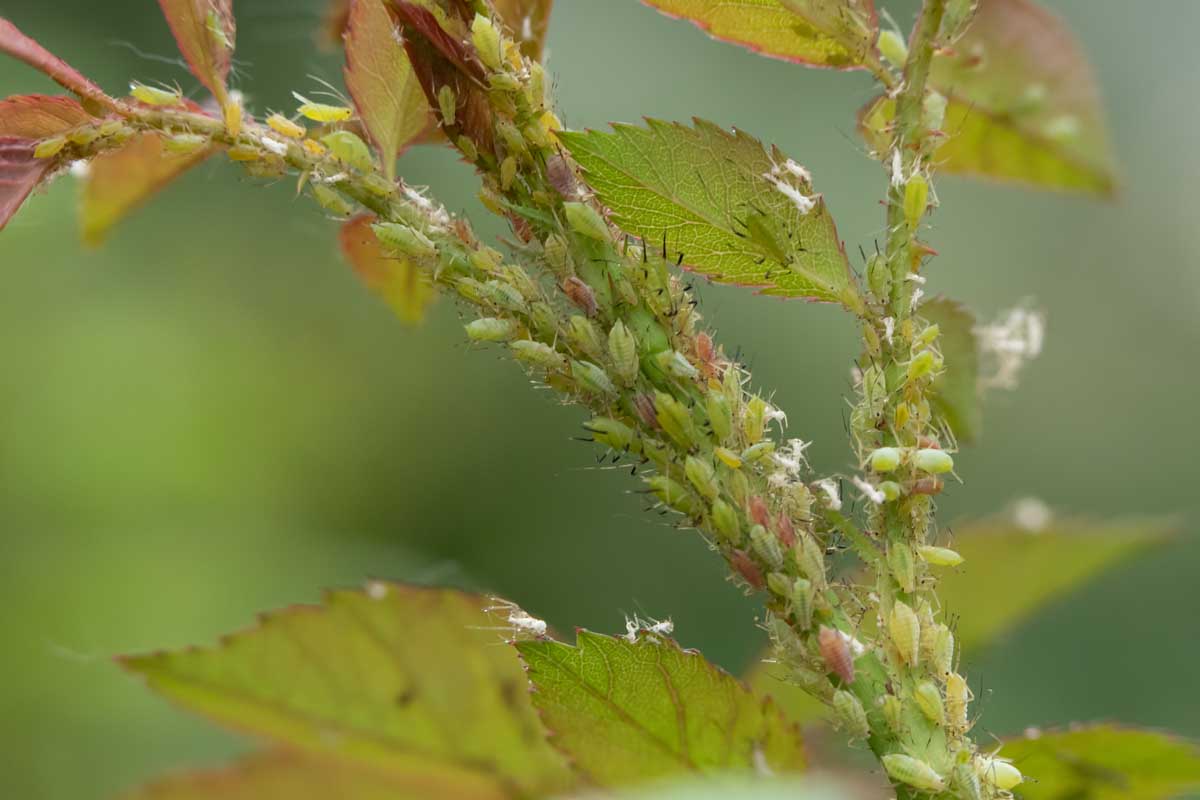
What to Avoid
-
Avoid harsh chemical sprays unless infestations are severe
-
Don’t spray during the hottest part of the day
-
Don’t ignore early signs as aphids multiply quickly
Final Thoughts
Aphids are a common part of rose gardening, but they don’t have to ruin your plants. With regular inspection, gentle control methods, and a healthy garden ecosystem, aphids can be managed easily and effectively.
Healthy roses are resilient roses, and a balanced garden is your best long-term defence.
Tell us in the comments what is your go-to solution for aphids on rose shrubs?
Optional, for replies
No comments posted yet, check back soon.


